How a Ceramic Coating is Applied
Paint Preparation Process:
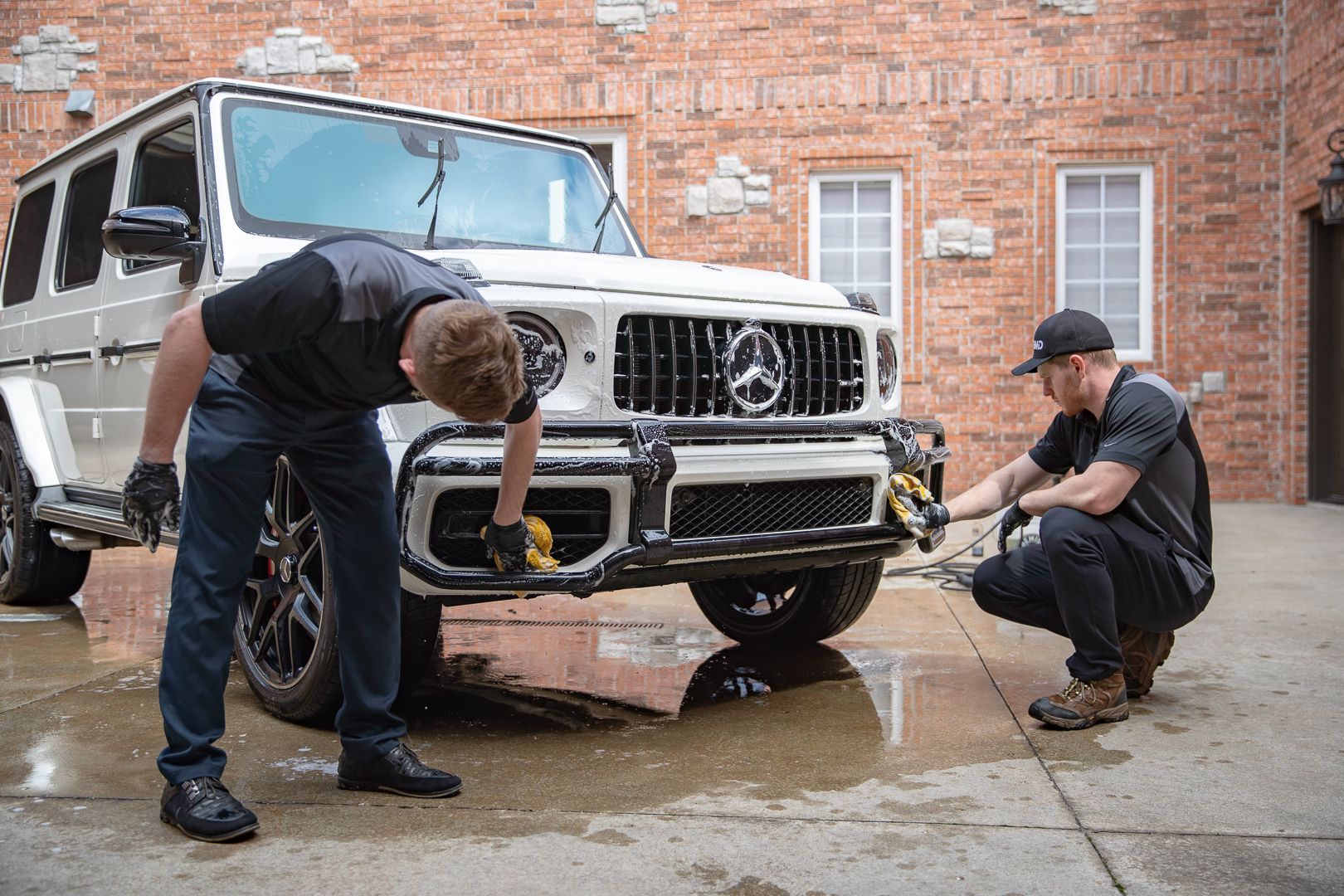
A ceramic coating is the longest lasting form of automotive protection on the market available to us in Springfield, Missouri. Whether you’ve just washed your car to wax it, are pulling it into the garage for paint correction, or are applying a ceramic coating, the paint needs to be COMPLETELY CLEAN and free of contaminants. A simple drive-thru car wash or even hand wash never gets the paint completely “clean”.
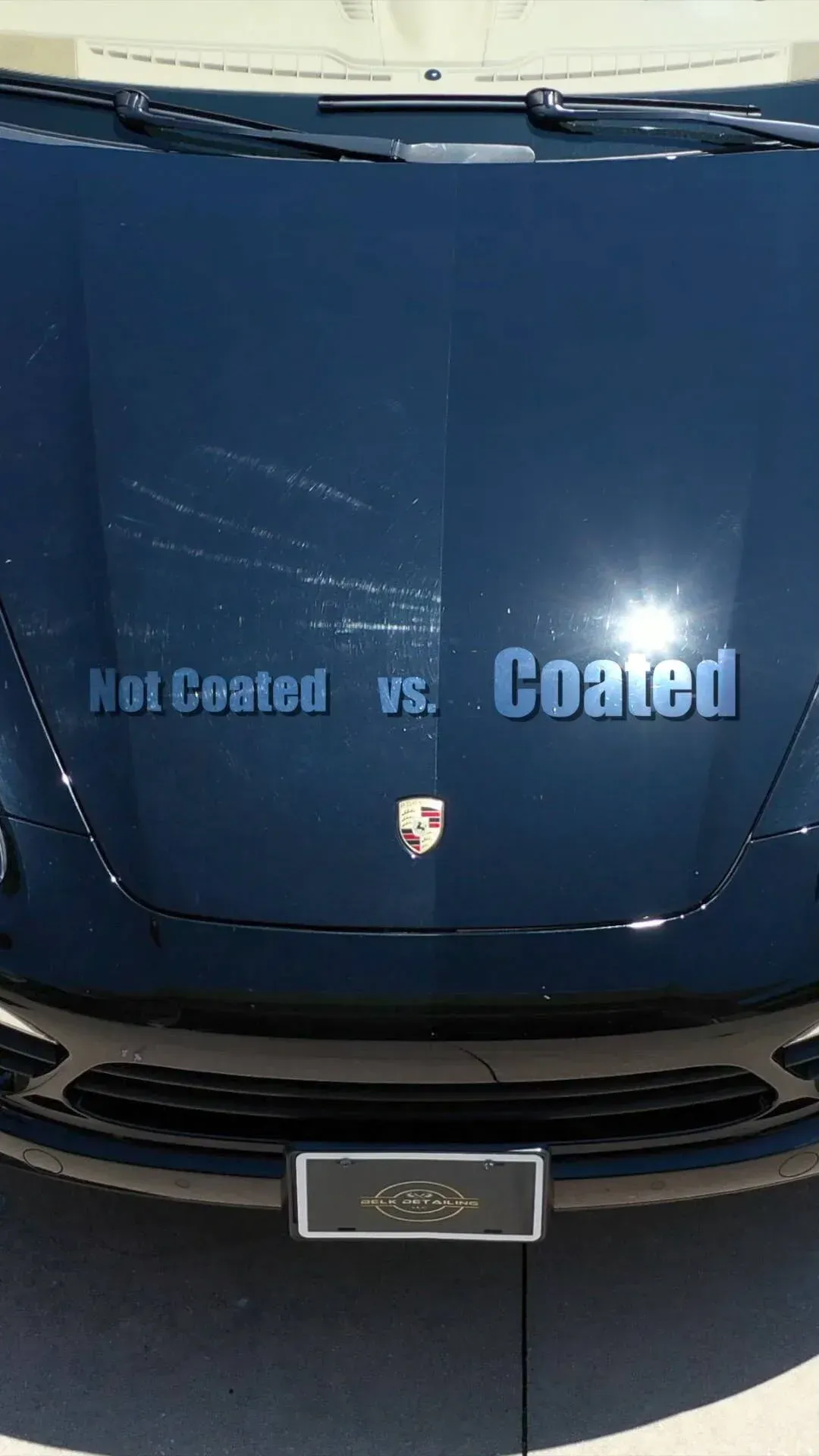
While the car is certainly much shiner after a car wash, embedded contaminants still remain in the paint, slightly dulling its lustrous appearance, and certainly preventing a strong and semi-permanent bond from a sealant or wax, and most definitely preventing a long-lasting, high gloss shine that comes from a ceramic coating.
Much like an artist needs a clean canvas before painting, a detailer needs a contaminant free car surface before applying a ceramic coating. Without a clean surface, the coating won’t probably bond to the vehicle’s paint. At a microscopic level it is necessary that the paint has NOTHING on it before moving on to the ceramic coating application process.
These contaminants, sometimes referred to as "rail dust", are removed using a clay bar and a chemical referred to as an "Iron Remover". Past coatings, waxes, or sealants will also be removed to ensure a clean slate. After this process, the paint is pure and ready for coating application.
Application process:
Ceramic coatings are usually applied with a small dropper onto a microfiber cloth (about the size you would use to clean a pair of glasses)
That microfiber cloth is wrapped around a block and that becomes the applicator.
In very small sections, the ceramic coating is applied to the paint in a cross-hatch pattern. While continuing to work in small sections, we let the coating cure for 30-90 seconds before buffing off the excess. We will repeat this application 2-4 times based on the type of coating we are working with. This absolutely ensures a level application of the ceramic coating.
HURRY! But don’t rush! About the time the ceramic coating is level, it is beginning to “flash” and becomes slightly sticky. This is the time to buff it off! When left on too long, professional grade ceramic coatings will leave “high spots” and will NOT leave an overall stunning appearance that you’re looking for.
Curing Process:
Once applied, the ceramic coating undergoes a crucial curing phase, allowing the formula to bond intimately with the paint surface. This curing process is essential for activating the coating's advanced properties, such as increased hardness, resistance to chemicals, and enhanced durability.
Typically, the curing period ranges from 24 to 72 hours, during which the coated vehicle should be kept away from water and extreme weather conditions to allow the ceramic formula to solidify and create a robust shield. To achieve the maximum potential of our ceramic coatings, we recommend avoiding washing or exposing the vehicle to rain during this critical curing window.
After fully cured, your car is not only visually enhanced with a striking gloss but also fortified with a resilient layer that withstands the rigors of daily driving and environmental challenges.